2025 Scientific Program & Research Highlights
The Lysosomal Disease Summit brings together clinicians, researchers, industry partners, and advocacy groups from around the world to advance diagnostics, treatment development, and patient-centered care across the lysosomal disease landscape. The program features high-scoring abstracts, expert presentations, and collaborative sessions designed to accelerate scientific progress and strengthen global connections. As a leading forum for rare disease innovation, the Summit fosters knowledge sharing, interdisciplinary discussion, and enhanced access pathways for patients and their families.
Friday, 24 October, 2025
| 13:55 | Sheridan Campbell Fabry Australia | Welcome and Introduction |
| 14:00 | Maria Fuller SA Pathology Adelaide, SA, Australia | Current Status of Lysosomal Disease Research: Lab Aspects of Screening and Diagnosis |
| 14:15 | Uma Ramaswami Royal Free Hospital London, United Kingdom | The Changing Landscape of Lysosomal Diseases; Variants of Uncertain Significance (VUS) |
| 14:30 | Siyang Ding La Trobe University Melbourne, VIC, Australia | A Lipophagy Reporter for Potential Diagnosis of Lysosomal Storage Diseases |
| 14:45 | Lachlan Wakeling La Trobe University Melbourne, VIC, Australia | Probing Lipophagy Dynamics in Lyososomal Diseases with Novel Fluorescent Reporter |
| 15:00 | Kumaran Narayanan Monash University Malaysia Subang Jaya, Malaysia | Dual Action of Antioxidant Compounds on Oxidative Stress and Gb3 Levels in a Fabry Disease Cell Model |
| 15:15 | Moderated | Q&A and Panel Discussion |
| 15:30 | Afternoon Tea Break | Exhibits Open |
| 15:45 | Jennifer Saville SA Pathology Adelaide, SA, Australia | Upregulated Sphingolipid De Novo Synthesis Contributes to Ganglioside Dyshomeostasis in a Neuronal Model of Gaucher Disease |
| 16:00 | Benjamin Lynch University of Notre Dame Sydney Sydney, NSW, Australia | Tinnitus and Hearing Loss in Adult Males with Fabry Disease |
| 16:15 | Jennifer Saville SA Pathology Adelaide, SA, Australia | Diagnosing the Sphingolipidosese: From Research to Clinical Practice |
| 16:30 | Moderated | Q&A and Panel Discussion |
| 16:45 | Interactive Session I | Let’s Listen: Experts, Advocates, and Action |
| 17:45 | Satellite Symposium | Recent Advances in the Treatment of Lysosomal Disorders: New Options and the Growing Body of Evidence |
| 18:45 | Welcome Reception | Reception & Exhibits Open to All Attendees |
Saturday, 25 October, 2025
| 08:55 | Michael Tchan Westmead Hospital Sydney, NSW, Australia | Welcome and Introduction |
| 09:00 | Hsiang-Yu Lin MacKay Memorial Hospital Taipei, Taiwan | NBS Experience in Taiwan: How Are Patients Managed After NBS |
| 09:30 | Jonathan Craig Flinders University Adelaide, SA, Australia | The Process for Expanding the NBS in Australia and the Role of the Medical Services Advisory Committee |
| 10:00 | Avanti Shrikumar University of Sydney Sydney, NSW Australia | Whole Brain Tractography from Diffusion MRI in Rare Genetic Diseases: Phenylketonuria as a Paradigm for Using Machine Learning to Predict Biochemistry |
| 10:15 | Uma Ramaswami Royal Free Hospital London, United Kingdom | Gaucher Disease – Correlation of lyso-Gb1 with Biochemical Therapeutic Goals |
| 10:30 | Huma Arshad Cheema University of Child Health Sciences Lahore Lahore, Pakistan | Phenotypic Spectrum of Gaucher Disease (GD) Type 3 in Pakistani Children and Response to ERT |
| 10:45 | Moderated | Q&A and Panel Discussion |
| 11:00 | Morning Tea Break | Exhibits Open |
| 11:15 | Ya Hui Hung The Florey Institute of Neuroscience and Mental Health Parkville, VIC, Australia | An mRNA Gene Therapy for Niemann-Pick Disease Type C1: Preliminary Results and Ongoing Challenges |
| 11:30 | Ellie Van Velsen Australian NPC Disease Foundation Inc Endeavour Hills, VIC, Australia | Australia’s First Standard of Care for Niemann-Pick Disease Type C |
| 11:45 | Huma Arshad Cheema University of Child Health Sciences Lahore Lahore, Pakistan | Clinical Response and Safety of Enzyme Replacement Therapy in Pediatric Patients with Niemann-Pick Disease Type B |
| 12:00 | Moderated | Q&A and Panel Discussion |
| 12:15 | Lunch Break | Lunch With Exhibitors |
| 13:15 | Kathy Nicholls Royal Melbourne Hospital | An Update on Gene Therapy for Fabry Disease |
| 13:30 | Cassidy Tran Royal Melbourne Hospital | DNA Methylation as a Determinant of Phenotype in an X Linked Disease |
| 13:45 | Gail Hilton Childhood Dementia Initiative Warringah Mall, NSW, Australia | International Models of Care for Childhood Dementia: An Investigation to Inform the Australian Context |
| 14:00 | Moderated | Q&A and Panel Discussion |
| 14:10 | Yin-Hsiu Chien National Taiwan University Hospital Taipei, Taiwan | Central Nervous System-Targeted Gene Therapy for the Treatment of Neurocognitive Deficits in Mucopolysaccharidosis Type IIIB |
| 14:25 | Maria Fuller SA Pathology Adelaide, SA, Australia | UX111 Gene Therapy (rebisufligene etisparvovec) led to Reduced CSF Heparan Sulphate Exposure and Improved Bayley Scores in Children with Mucopolysaccharidosis IIIA (MPS IIIA) |
| 14:40 | Shui Wong University of Melbourne Melbourne, VIC, Australia | Speech and Language Characteristics of Sanfilippo Syndrome (Mucopolysaccharidosis Type III) |
| 14:55 | Farah Lamiable-Oulaidi Victoria University of Wellington Wellington, New Zealand | Advancing Krabbe Disease Treatment Through Combination Therapy |
| 15:10 | Moderated | Q&A and Panel Discussion |
| 15:20 | Afternoon Tea Break | Exhibits Open |
| 15:30 | Interactive Session II | Lysosomal Disease Roundtable: Global Experts, Open Dialogue |
| 16:30 | Sessions Conclude | |
| 17:00 | Poster Session | Exhibits Open |
| 18:15 | Collaboration Dinner |
Sunday, 26 October, 2025
| 09:00 | Moeen AlSayed King Faisal Specialist Hospital & Research Centre Riyadh, Saudi Arabia | Current Status of Lysosomal Diseases in Saudi Arabia: Screening, Diagnostics and Treatment |
| 09:30 | Mark Thomas Royal Perth Hospital Perth, WA, Australia | Phase 1/2 Clinical Trial Evaluating 4D-310 in Adults with Fabry Disease Cardiomyopathy: Interim Analysis of Cardiac and Safety Outcomes in Patients with 21–42 Months of Follow up |
| 09:45 | Amro Sehly University of Western Australia Perth, WA, Australia | Cardiac MRI Analysis of Sex-based Differences in Patients with Anderson-Fabry Disease |
| 10:00 | Hui-Ying Yeh National Taiwan University Hospital Taipei, Taiwan | Fabry Disease Screening Using Dry Blood Spots in High-Risk Populations |
| 10:15 | Moderated | Q&A and Panel Discussion |
| 10:30 | Morning Tea Break | Exhibits Open |
| 10:45 | Mark Thomas Royal Perth Hospital Perth, WA, Australia | Fabry Disease and Kidney Transplant Outcomes: A Single-Centre Experience |
| 11:00 | Uma Ramaswami Royal Free Hospital London, United Kingdom | Clinical Depression and Impact on Patients with Lysosomal Storage Disorders (LSDs) – A Service Evaluation from a Specialist Centre Using the Beck’s Depression Inventory (BDI-II) |
| 11:15 | Paul Geenty Westmead Hospital Westmead, Sydney, Australia | Myocardial Work is Reduced in Anderson-Fabry Disease and Represents Subclinical Myocardial Dysfunction |
| 11:30 | Moderated | Q&A and Panel Discussion |
| 11:45 | Summit Concludes |
Please note: titles, speakers and times are subject to change. This program is designed to be a CPD-eligible educational activity. Click here for more information.
2025 Course Directors
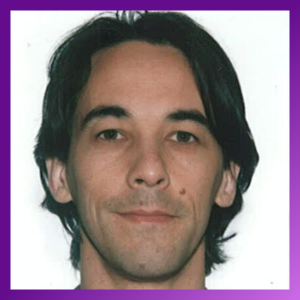
Dr. Michel Tchan, MBBS, PhD, BMedSc, FRACP
Adult Genetic Metabolic Disorders | Clinical Genetics
Associate Professor, University of Sydney
Head, Department of Genetic Medicine
Westmead Hospital
Sydney, NSW, Australia
Michel Tchan is a clinical and metabolic geneticist who treats adults with genetic disorders and inborn errors of metabolism. He is currently the Head of the Department of Genetic Medicine at Westmead Hospital in Sydney and a Clinical Associate Professor at the University of Sydney.
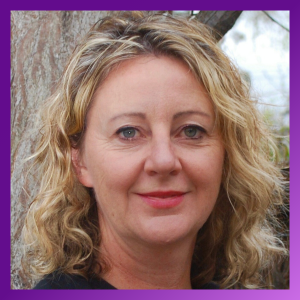
Professor Maria Fuller, BAppSc, MAppSc, PhD, FFSc(RCPA)
National Referral Laboratory
Genetics and Molecular Pathology SA Pathology
Adelaide Medical School and School of Biological Sciences
Robinson Research Institute, University of Adelaide, South Australia
Adelaide, South Australia
Maria Fuller is a clinical scientist specialising in biochemical genetics. She leads the National Referral Laboratory within the state-wide public pathology service in South Australia. She has a conjoint academic appointment with the University of Adelaide and enjoys supervising postgraduate students and hosting those undertaking clinical placement. She has had a long-standing interest in lysosomal storage disorders and has contributed to over 120 publications in the scientific and medical literature.
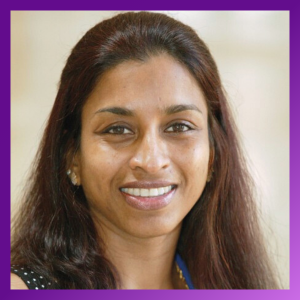
Dr. Uma Ramaswami, FRCPCH, MD
Consultant in Inherited Metabolic Disorders and Honorary Associate Professor
Genetics and Genomic Medicine
University College London
Clinical Lead, Lysosomal Storage Disorders Unit
Institute of Infection, Immunity and Rare Diseases
Royal Free London NHS Foundation Trust,
London, England, United Kingdom
Uma Ramaswami is the clinical lead for the Lysosomal Disorders Unit at the Royal Free Hospital, London, and has twenty years of experience in managing children and young adults with inherited metabolic disorders. Uma has a special interest in clinical research relating to understanding the natural history and disease progression of inherited metabolic disorders.
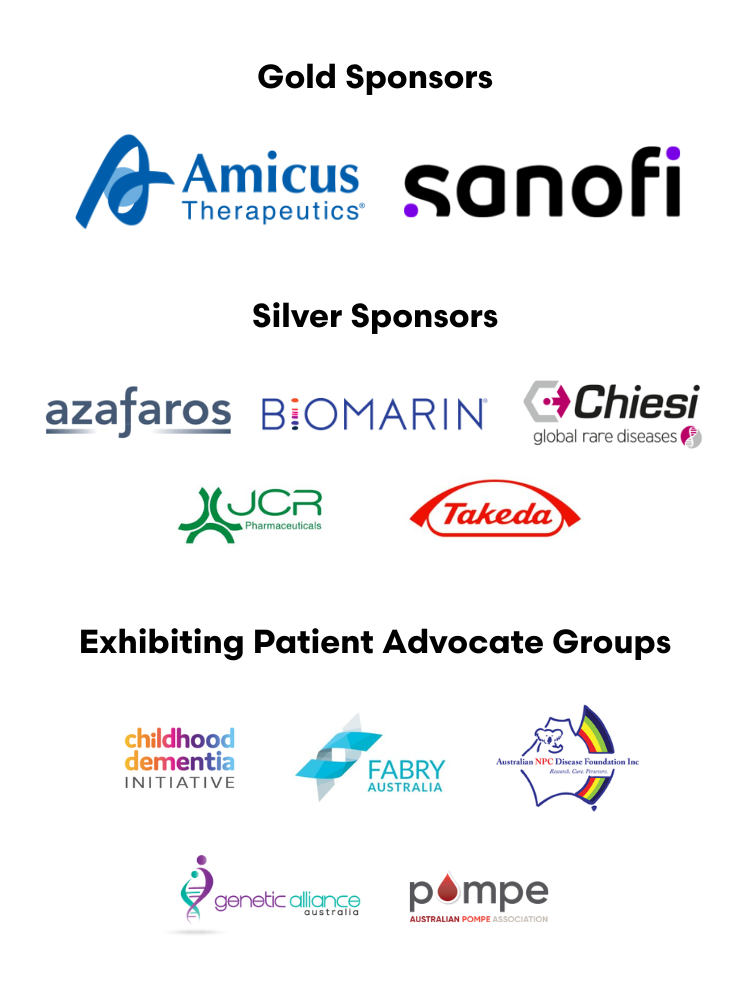
Thank you to the 2025 Summit Sponsors
We respectfully acknowledge the Traditional Owners of the land on which we gather, the Gadigal people of the Eora Nation, and pay our respects to their Elders, past and present. We recognize their continuing connection to land, waters, and culture, and honour their contributions to this region.